Share information where the work happens.
The map becomes a shared workspace for operators, maintenance teams and field staff. Documents, field feedback and discussions remain linked to the relevant equipment and places, helping teams track their lifecycle and prepare the next steps.
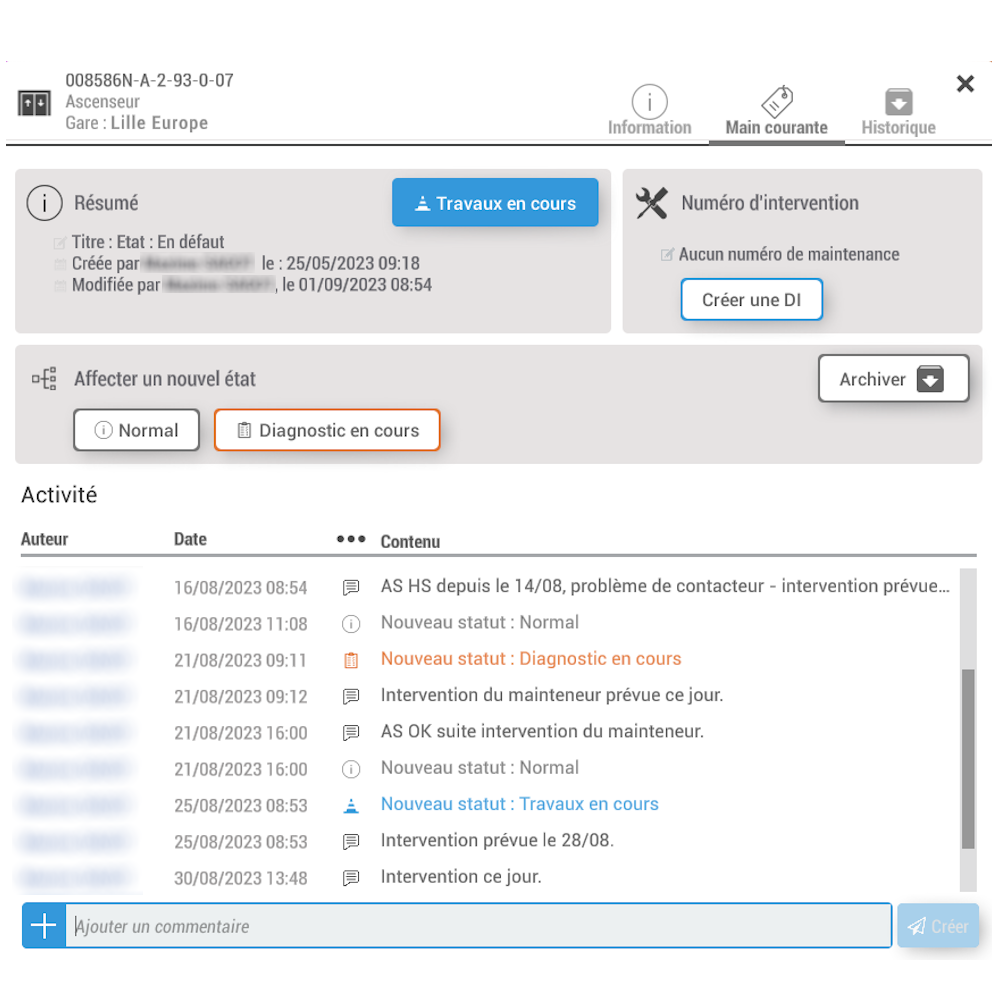
Discussions keep their context: an asset, a place, an intervention.
A shared record of field work.
Share useful documents, attach field experience to the infrastructure and review previous work. Teams have a common context when taking over a case, preparing an intervention or working with another department.
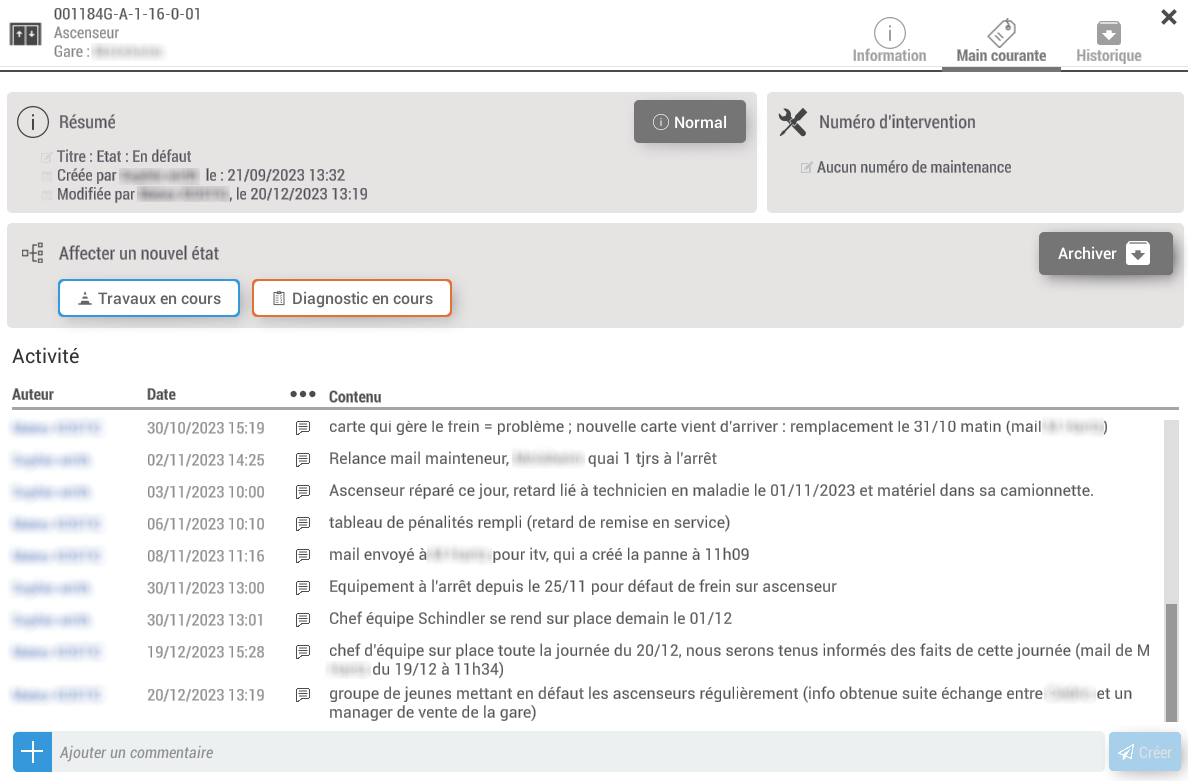
Keep a record of discussions.
Teams can comment on equipment, locations and interactive objects. Each discussion is attached to its subject, making it possible to retrieve the history and understand previous actions.
Before setting out, field staff can review recorded comments and available information. On returning, they can add their findings to the same context, helping future interventions and handovers between teams.
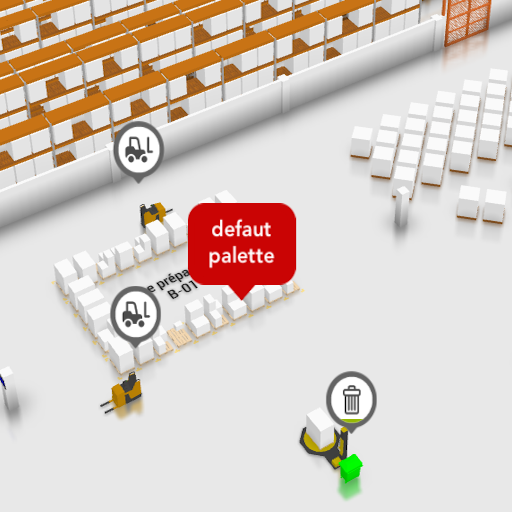
Flag a situation directly on the map.
An annotation locates a fault or a point to inspect at a precise place. It draws a team’s or individual’s attention to the situation, with the landmarks needed to find it in the field.
Annotations can be commented on, validated and then archived. A reported issue remains traceable throughout the discussion without losing its link to the location.
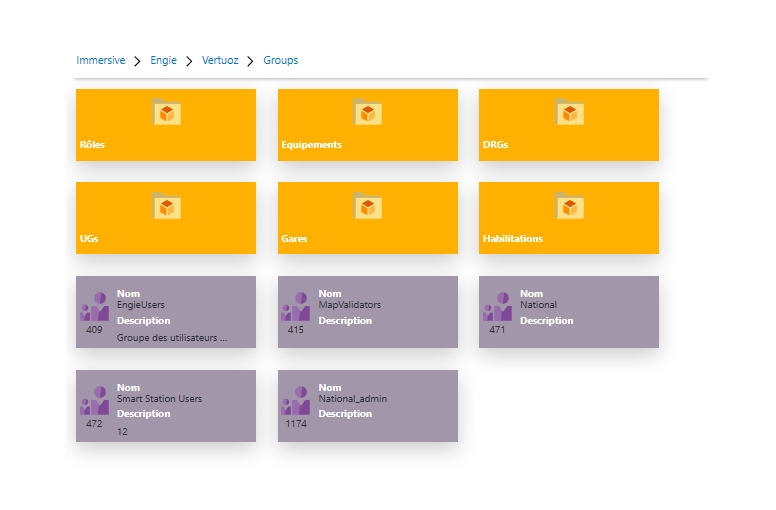
Share according to each person’s responsibilities.
User, group and permission management defines which information and actions are available. You choose the maps, equipment types and content that each profile can view or use.
Access management can integrate with the company directory and authentication system, depending on the chosen setup. Operators, contractors and maintenance teams work in one environment with scopes suited to their roles.
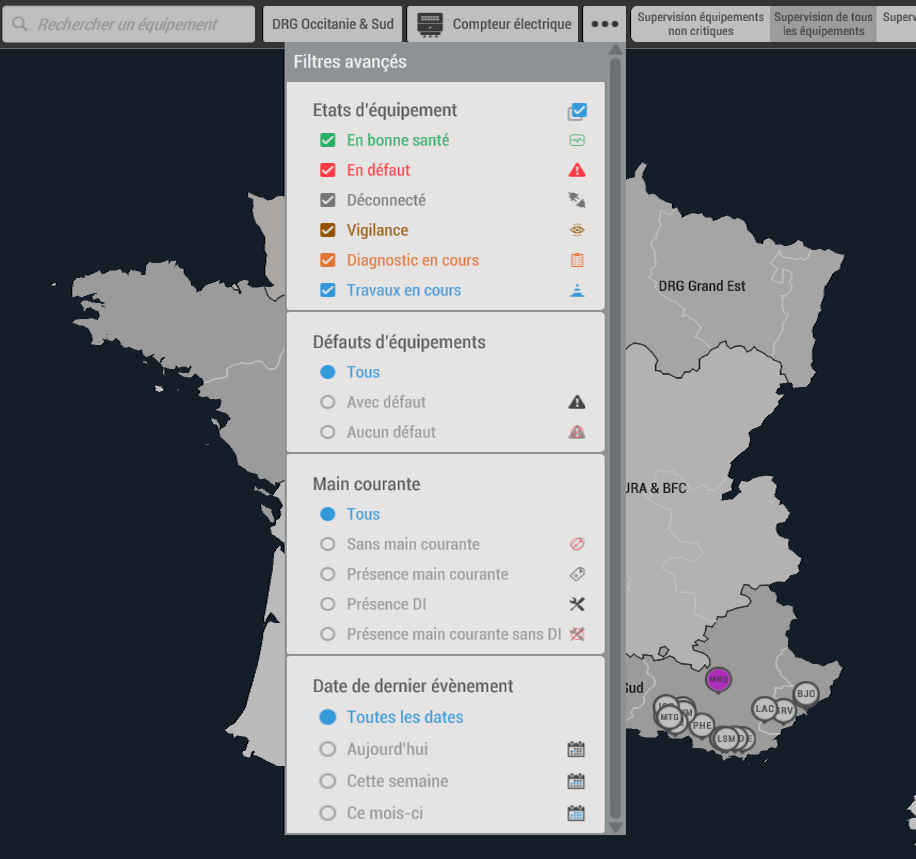
Find the information relevant to your role.
Profiles and filters adapt the map to the user’s needs: part of a building, a set of maps or selected equipment. The display focuses on the scope relevant to the task.
For example, a team can find faulty equipment that has not yet been attended to. Filters refine information already permitted by access rights; they do not replace those rights.